


Chloe Bennett-Steele
Environment & Science Reporter, StateImpact OklahomaChloe Bennett-Steele reports on science and the environment for StateImpact Oklahoma. She holds a Master’s degree from the City University of New York, where she studied science journalism and reported on energy and the environment.
Originally from North Texas, Chloe lived in upstate New York for about two years, covering climate change and broader science stories for an environmental magazine.
Chloe has produced work for publications including The Dallas Morning News and KUT Radio’s daily news magazine, The Texas Standard in Austin.
Chloe loves the outdoors and finding new places to explore by foot or kayak.
-
 The $4 billion project was announced last year and has received support from the Trump administration.
 -
 Despite its modest population size, Oklahoma had the third highest number of electricity disconnections in the U.S. because of nonpayment in 2024. It fell behind Texas and Florida and leads Tennessee.
 -
 State regulators gave preapproval to Public Service Company of Oklahoma for several new projects. The utility said it needs to add more energy to its mix to ensure reliability.
 -
 House Bill 2992, signed on to by more than 30 lawmakers from both aisles, was sent to a conference committee for adjustments last week.
 -
 House Bill 2992 would create the Data Center Customer Protection Act of 2026
 -
 The legislation's progression comes weeks after the state published its nuclear energy feasibility study.
 -
 A measure introduced in the legislature this year would prohibit anyone in Oklahoma from suing fossil fuel companies for damages related to the effects of climate change or greenhouse gas emissions.
 -
 A fluid leak has created a months-long dispute between a family and regulators over how the state is responding to what the family says is an oil-based substance seeping into their home.
 -
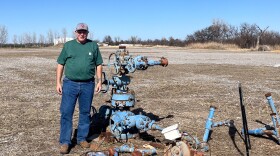 Proposed legislation would allow companies to convert abandoned oil and gas wells for geothermal and energy storage use.
 -
 Sen. Casey Murdock, R-Felt, authored Senate Bill 1929, which passed the Senate Committee on Energy on Thursday.


